Can You Trade Forex on Weekends?
The forex market is closed over the weekend. Spot forex trading stops on Friday evening and does not resume until Sunday evening, meaning Saturday and most of Sunday are not…

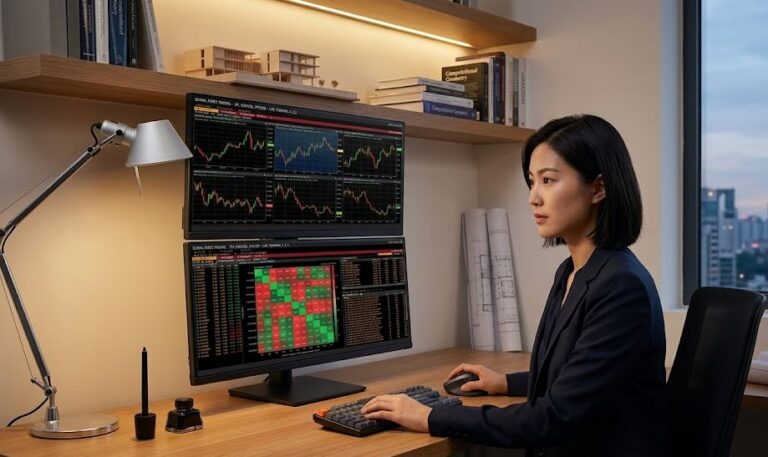
The forex market is closed over the weekend. Spot forex trading stops on Friday evening and does not resume until Sunday evening, meaning Saturday and most of Sunday are not…
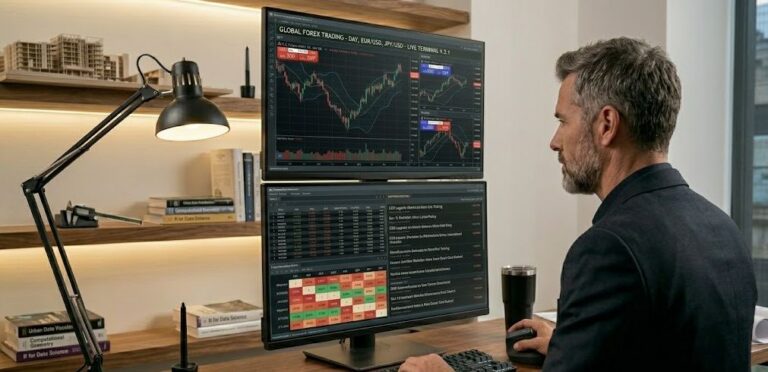
A pip is the standard unit of measurement for price movement in forex trading. The value of a pip depends on three factors: the currency pair being traded, the size…
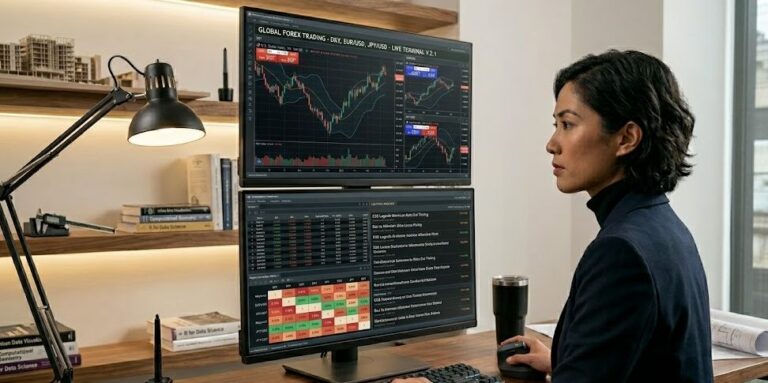
Leverage in forex trading allows you to control a position that is larger than the amount of capital you have deposited. It is expressed as a ratio, such as 1:50,…

Forex trading and CFD trading are closely related but distinct concepts. Forex trading refers specifically to the buying and selling of currency pairs. CFD trading is a broader category of…

The spread in forex trading is the difference between the price at which you can buy a currency pair and the price at which you can sell it. It is…

In forex trading, 0.01 lots is the smallest standard position size available on most trading platforms and is commonly referred to as a micro lot. It represents 1,000 units of…

The forex market operates 24 hours a day, five days a week. Based on a standard calendar year of 365 days, the forex market is open for approximately 260 to…
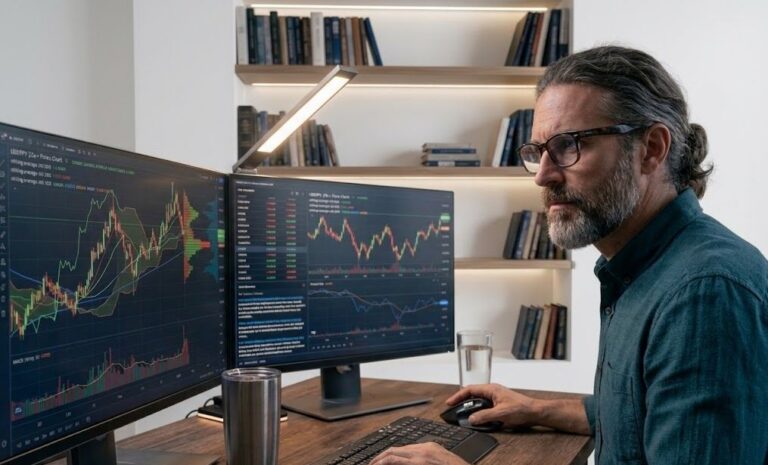
A guaranteed stop loss is a type of stop loss order that ensures your position is closed at exactly the price you specify, regardless of market conditions. Unlike a standard…
In forex trading, the base currency is the first currency listed in a currency pair. It is the currency being bought or sold, and its value is always expressed relative…
Whether market makers can see your stop loss is one of the most common questions among retail forex traders, and the answer depends significantly on the type of broker you…
Stop loss hunting refers to price action that appears to deliberately push the market to levels where large clusters of stop loss orders are likely to be placed, triggering those…
A trailing stop loss is a type of stop loss order that moves automatically in the direction of a profitable trade, locking in gains as the market moves in your…

A margin call in forex happens when your account equity falls below the level your broker requires to keep your open positions running. When this happens, your broker will notify…
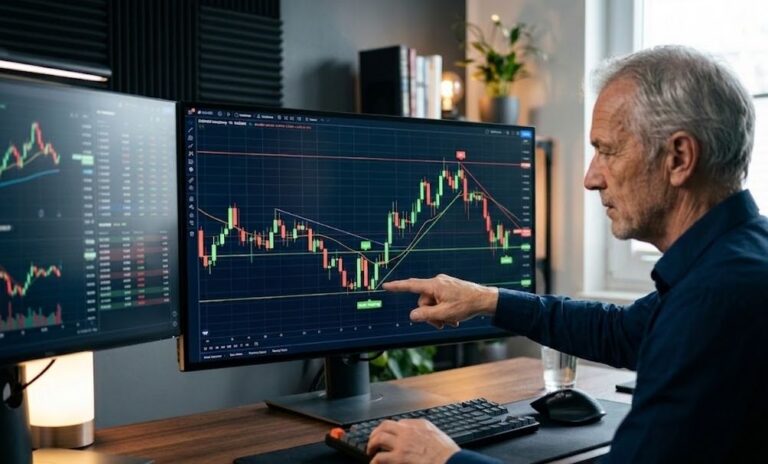
Yes, it is technically possible to trade forex without leverage. However, the reality of how the forex market is structured means that most retail traders use leverage by default, and…
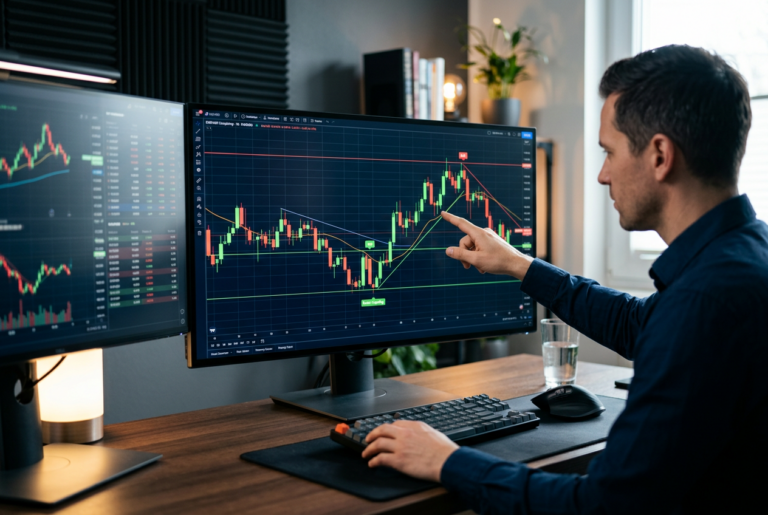
Improve your timing by using candlestick patterns for forex entry and exit points to read market momentum and identify high-probability reversal signals.

Discover how AI can help you become a successful trader by leveraging advanced analytics and execution tools to gain a competitive edge in modern markets.
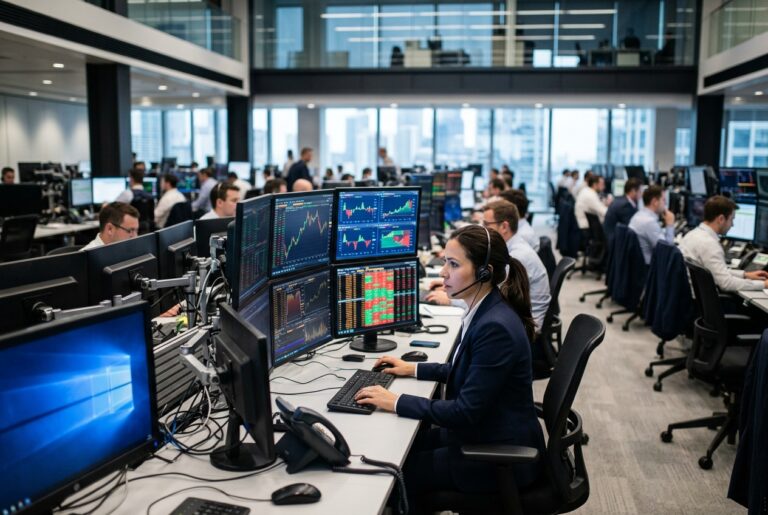
Discover how big banks trade forex to drive global liquidity and learn to use their institutional market-moving strategies to gain a professional edge.

Discover whether forex trading is gambling or a legitimate business by learning the professional strategies needed to manage risk and build long-term wealth.
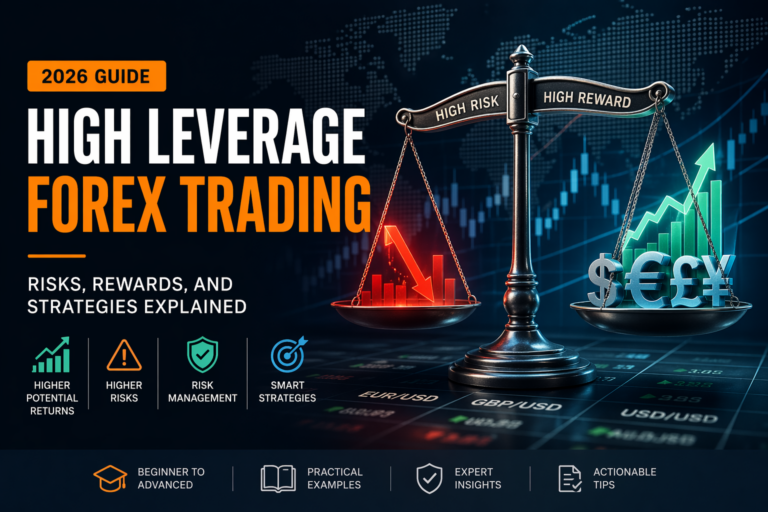
High leverage forex trading is one of the most powerful, and misunderstood concepts in the financial markets. It allows traders to control large positions with relatively small amounts of capital,…
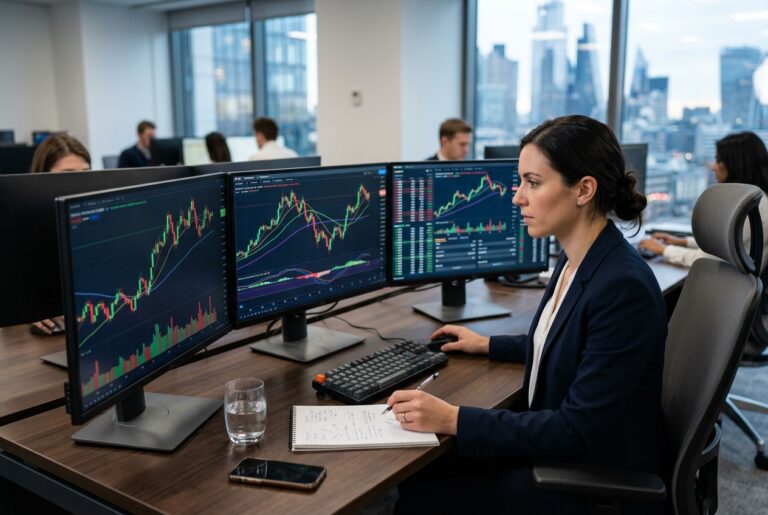
Master the essentials of the $7.5 trillion market and learn what you need to know before starting forex trading to build a sustainable, professional strategy.